HUNGARY
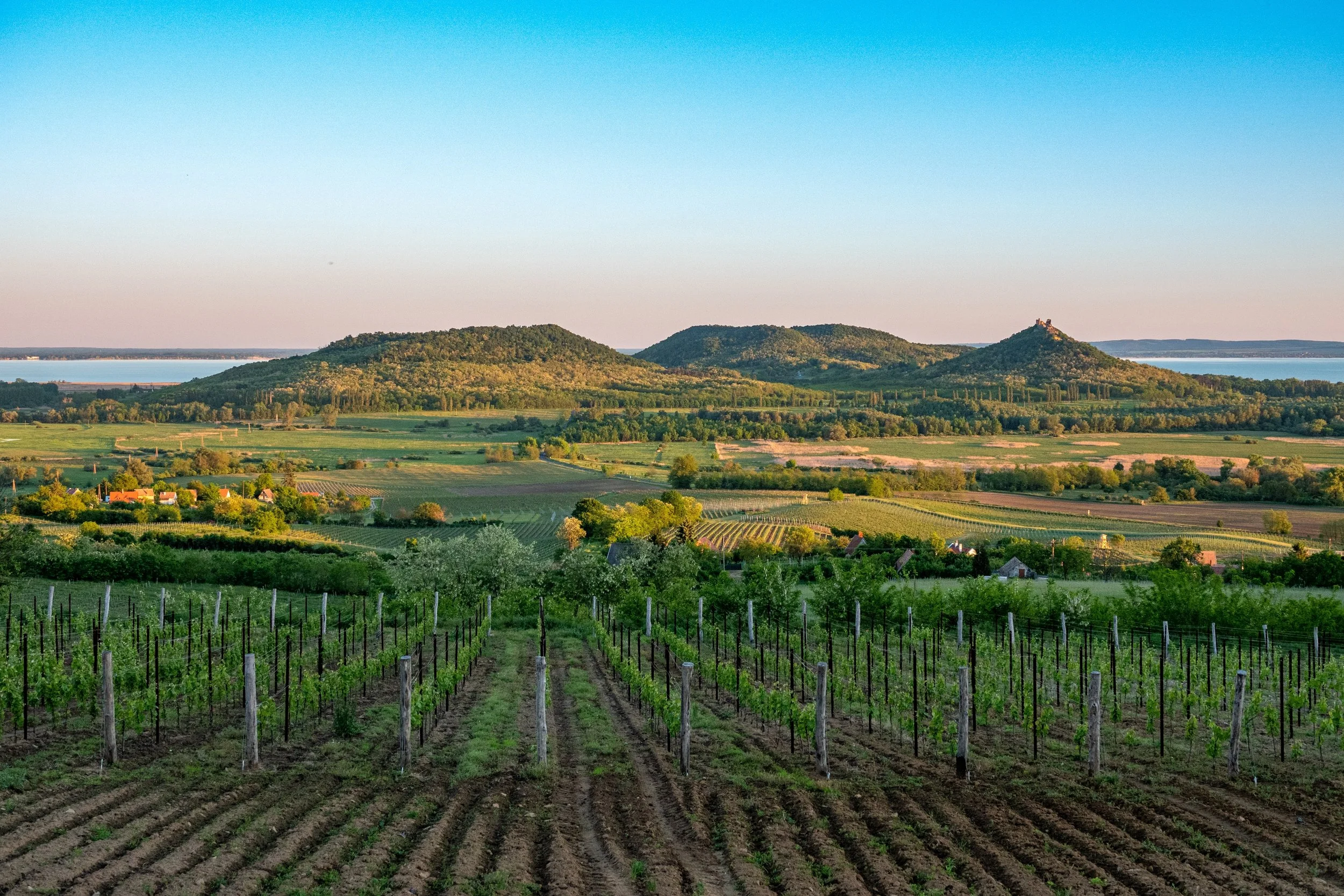
Hungary is home to some of Central Europe’s most distinctive volcanic vineyards, shaped by ancient eruptions that left behind basalt, tuff, and rhyolite-rich soils. These regions are known for producing wines with pronounced minerality, freshness, and longevity.
REGIONS:
Tokaj
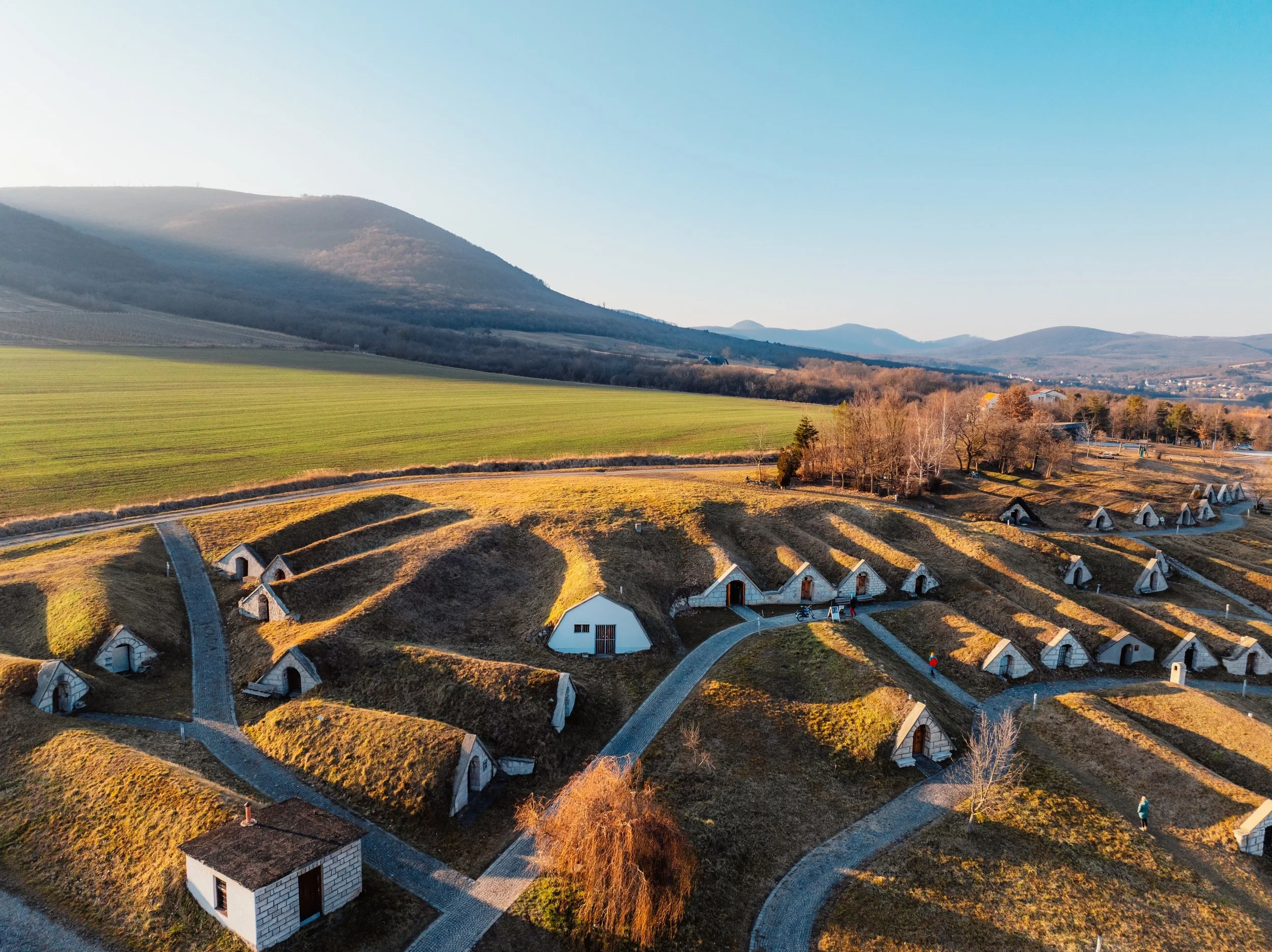
Hungary’s most internationally renowned volcanic region, Tokaj is defined by its complex mix of volcanic tuff, rhyolite, and loess soils. These porous volcanic layers play a crucial role in water retention and vine health, contributing to the region’s signature tension and acidity. Tokaj is best known for Furmint and Hárslevelű, producing both world-class dry wines and its historic sweet Aszú wines, with remarkable aging potential.
Somló
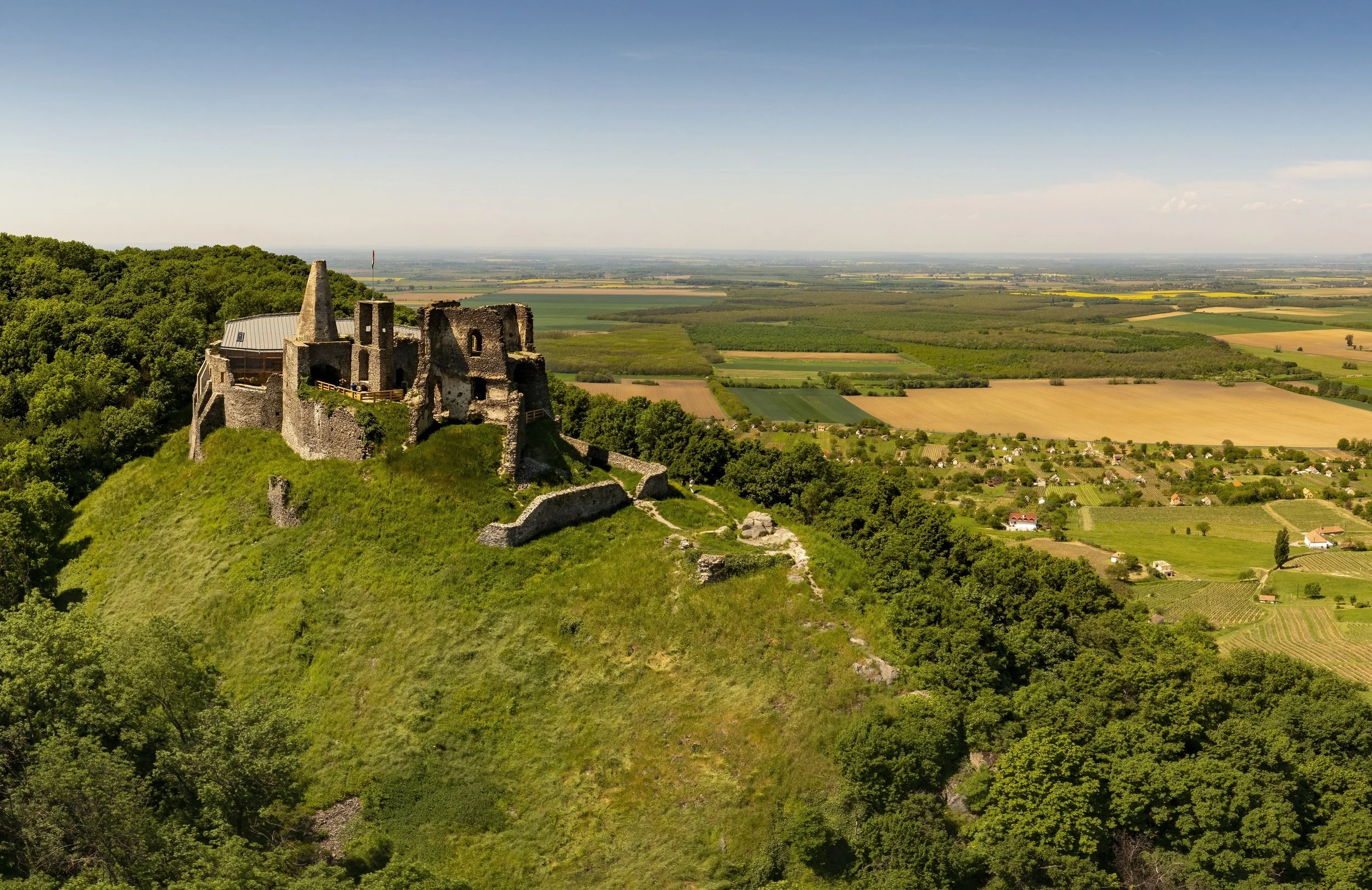
One of Hungary’s smallest but most distinctive volcanic regions, Somló is built on an extinct basalt volcano. The dense basalt soils give rise to intensely mineral, structured white wines with high acidity and longevity. Juhfark is the flagship grape, alongside Furmint and Hárslevelű, producing wines often described as powerful, savory, and age-worthy.
Badacsony
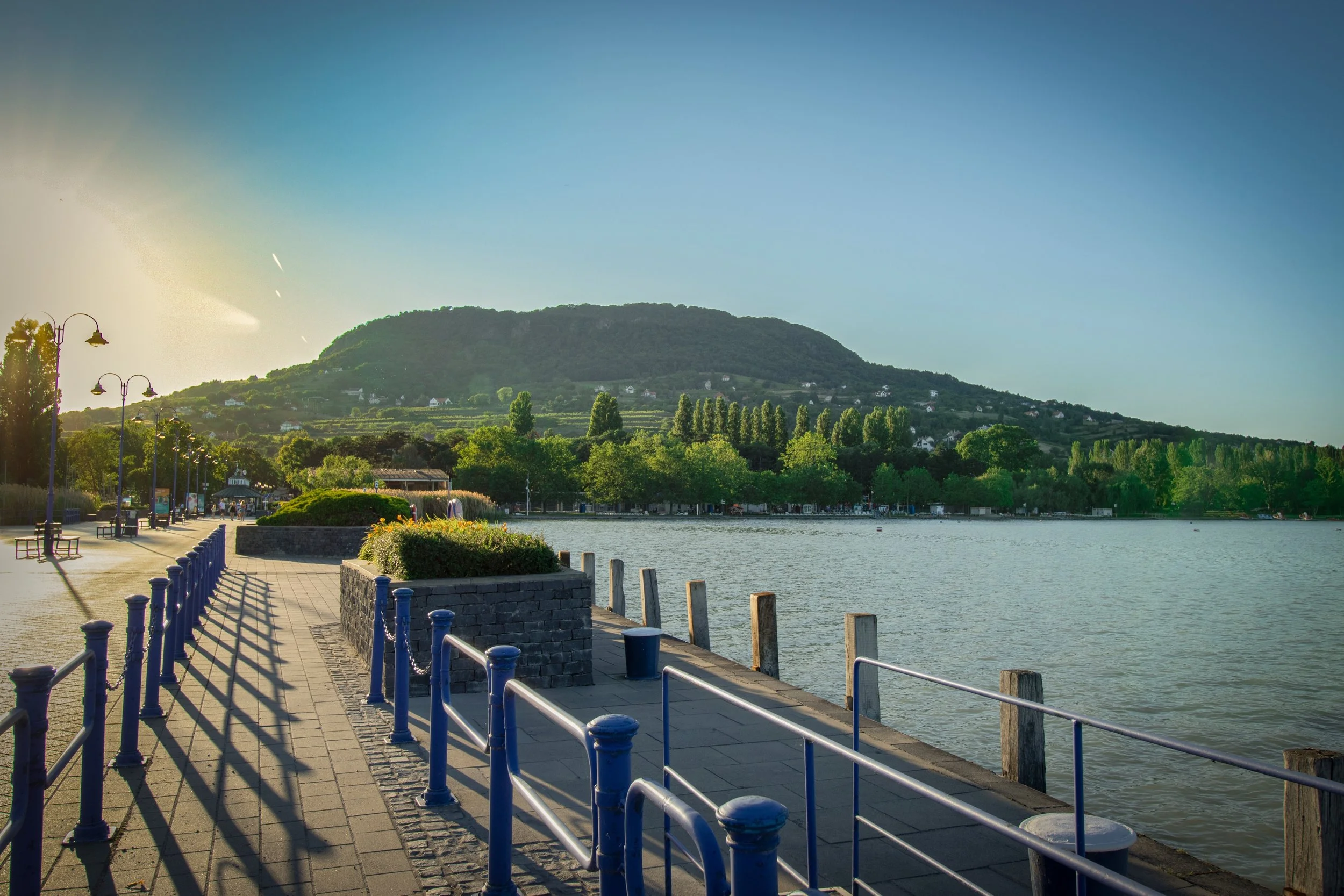
Located on the northern shore of Lake Balaton, Badacsony features dramatic basalt formations and volcanic buttes. The region’s volcanic soils and moderating lake influence result in expressive yet balanced wines. Kéknyelű, a rare indigenous variety, thrives here alongside Olaszrizling and Pinot Gris, offering wines with firm structure, salinity, and depth.
Mátra
Situated at the foothills of the Mátra Mountains, this region combines volcanic tuff and andesite soils with higher elevations and cooler temperatures. Mátra is known for fresh, aromatic styles of white wines, particularly from Mátrai Olaszrizling, Muscat, and increasingly Furmint, showcasing vibrant acidity and clean mineral character.
Zemplén Hills (Upper Tokaj Area)
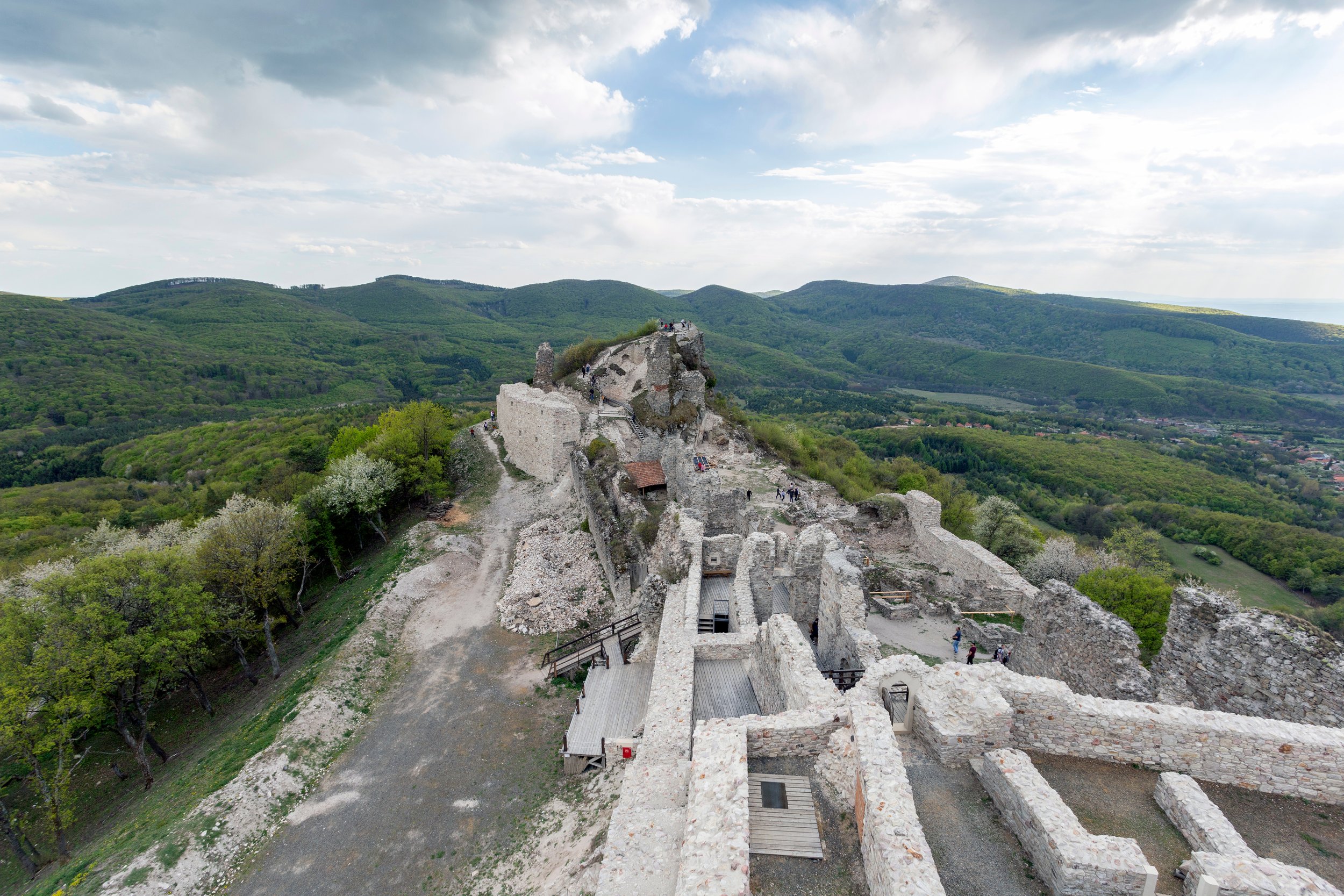
Extending beyond the core Tokaj vineyards, the Zemplén Mountains feature diverse volcanic soils and higher-altitude sites. These sub-zones contribute to precision-driven expressions of Furmint and other native varieties, often emphasizing tension, minerality, and site-specific character.